Property Tax Foreclosure Sale - Surplus Funds Lawyer NY
An In Rem foreclosure Sale in New York is a legal proceeding where a municipality auctions a property due to unpaid property taxes allowing the municipality to recover delinquent taxes from the sale of the property. The action is brought against the property because of a long-term delinquency in taxes where the owner fails to pay and does not enter into a payment agreement with the municipality. If the owner fails to pay the back taxes prior to the sale, or does not file for a bankruptcy to stop the sale, the property is sold at auction.
In some cases, there are surplus funds left over from the sale of the property after the taxes are paid. These funds belong to the former owner, however, the funds are not paid automatically to the former owner. A formal application must be made in court to obtain a court order releasing the funds to the former owner.

Mortgage Foreclosure Sale - Surplus Funds Lawyer NY
A mortgage foreclosure sale in New York is a public auction where a property is sold to satisfy a delinquent mortgage debt. The auction follows a legal process called a judicial foreclosure. After a lender wins a judgment in NY Supreme Court, a court-appointed referee sells the property to recover the loan balance to satisfy the debt. A property owner can stop the sale at any time before the auction by paying the full amount owed, or by filing for bankruptcy, but they lose these options once the sale is complete.
In some cases, there are surplus funds left over from the sale of the property after the mortgage is paid. These funds belong to the former owner, however, the funds are not paid automatically to the former owner by the referee. A formal application must be made in court to obtain a court order releasing the funds to the former owner (The process is similar to obtaining surplus funds from an In Rem Property Tax Sale outlined below).
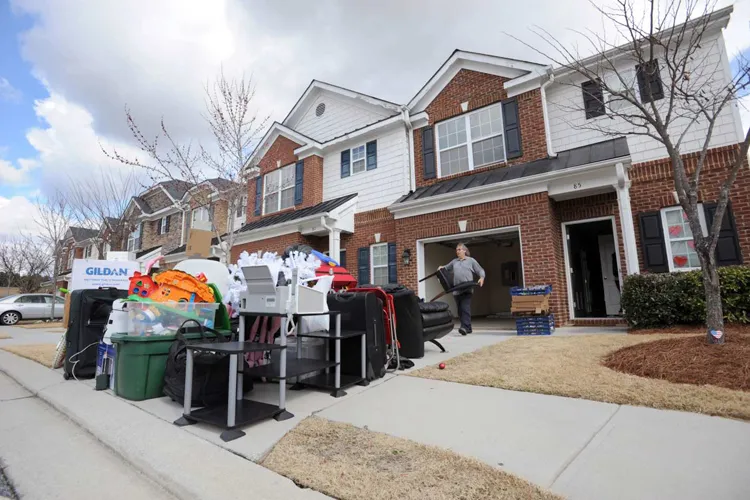
How to Claim Surplus Funds From a Municipality in New York State after an In Rem Sale?
The following is a list of the steps to claim surplus finds from a municipality in New York State:
- File a Notice of Claim
- Request a Certificate of Claims to the Surplus Monies.
- Obtain a Certificate of Amount of Money on Deposit.
- File A Notice of Motion, Motion for an Order to Confirm the Sale Directing Release and Payment of Surplus Monies, stub search, and Proposed Order.
- Obtain a Certified Copy of the Order, and file it with the municipalities comptrollers office.
What Does It Cost to Make a Claim For Your Surplus Funds in NY?
Usually the work is done on a contingency, typically a third of the recovery after costs, but it depends on the circumstances. It may also be done for a flat fee plus costs payable in advance of the application being made.
What Counties In New York Do We File Claims For Surplus Funds?
We also serve all of the counties in NY, specifically Albany, Allegany, Bronx, Broome, Cattaraugus, Cayuga, Chautauqua, Chemung, Chenango, Clinton, Columbia, Cortland, Delaware, Dutchess, Erie, Essex, Franklin, Fulton, Genesee, Greene, Hamilton, Herkimer, Jefferson, Kings, Lewis, Livingston, Madison, Monroe, Montgomery, Nassau, New York, Niagara, Oneida, Onondaga, Ontario, Orange, Orleans, Oswego, Otsego, Putnam, Queens, Rensselaer, Richmond, Rockland, St. Lawrence, Saratoga, Schenectady, Schoharie, Schuyler, Seneca, Steuben, Suffolk, Sullivan, Tioga, Tompkins, Ulster, Warren, Washington, Wayne, Westchester, Wyoming, Yates.
Need Help Claiming Suplus Funds in NY?
Call Stephen K. Underwood, Esq.
(716)656-7676
or get started with a complimentary case evaluation.